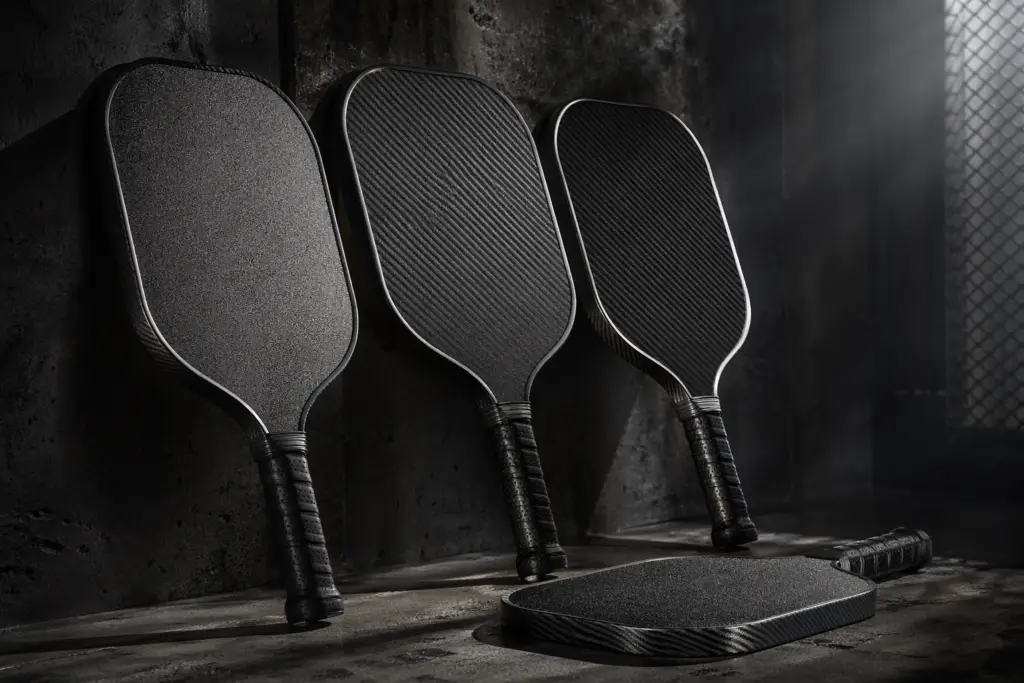
1. Why USA Pickleball Approval Matters to OEM Buyers
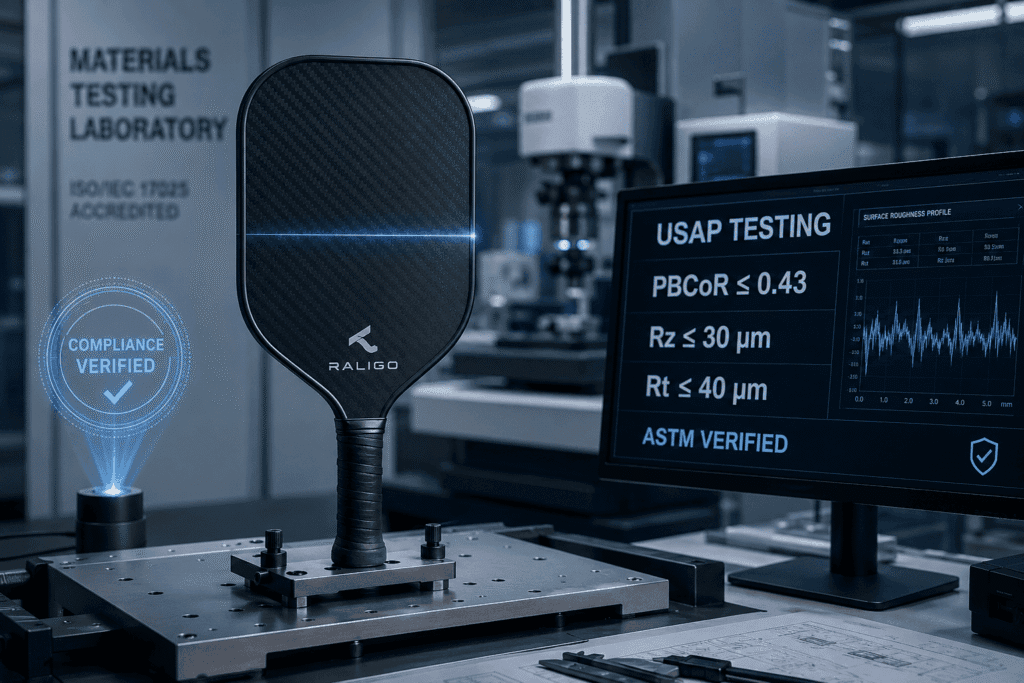
USA Pickleball (USAP) evaluates and approves specific paddle models for competition conducted under its equipment rules. For OEM and private-label buyers, the relevant questions are whether the exact brand and model are currently listed, which certification standards applied to that submission, and whether production units match the approved specifications.
Competition approval and U.S. customs import requirements are separate. USAP equipment approval is not a general customs-clearance permit. Importers should independently confirm tariff classification, country-of-origin declarations, applicable product rules, and required documentation with qualified customs professionals.
An approved listing can support a brand’s tournament-market positioning, but it does not by itself prove factory quality, guarantee product safety, eliminate commercial liability, or establish that every retailer requires the same approval.
- Verify tournament eligibility: check the event organizer’s governing rules and the USA Pickleball approved equipment database.
- Match the exact model: confirm brand name, model designation, construction and the approval status before ordering.
- Audit manufacturing independently: evaluate samples, material specifications, traceability, quality assurance, lead times and import requirements on their own merits.
For OEM purchasing, certification is one component of technical and commercial due diligence, not a substitute for it.
2. USA Pickleball Equipment Standards and the October 2026 Spin Test
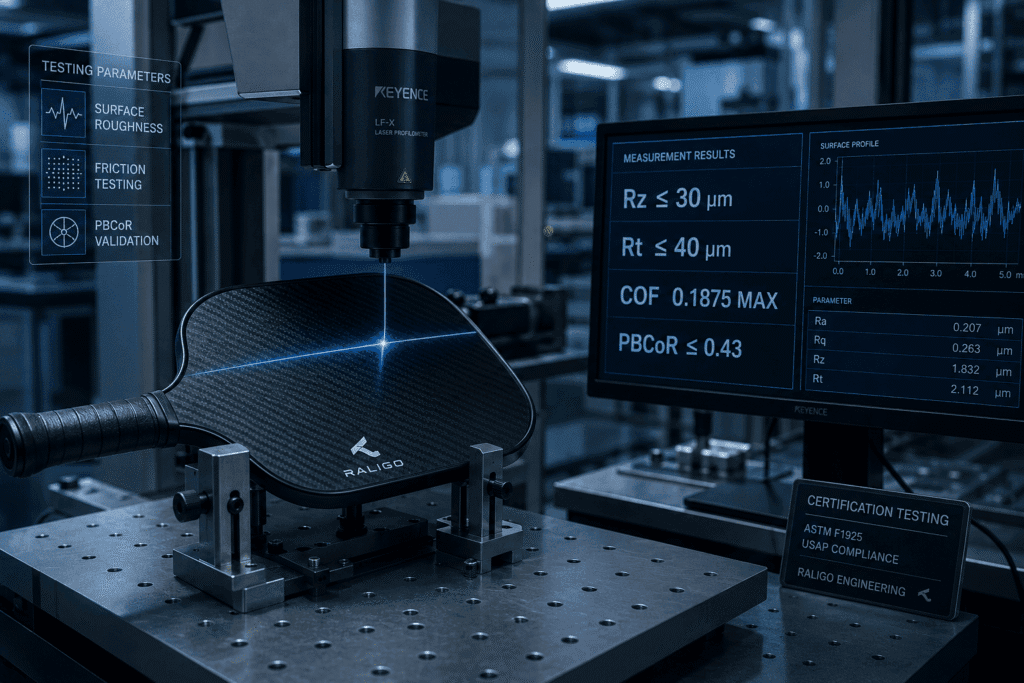
Rule update effective October 1, 2026: USA Pickleball requires paddles newly submitted for certification to achieve a measured spin rate of 2,100 RPM or less under its Spin Rate Test. For these new submissions, the former upper thresholds for surface roughness and coefficient of friction became measurements of record. Paddles already approved remain subject to the equipment standards in force when they received approval. See the official implementation announcement.
2.1 Dimensions and Other Equipment Requirements
USA Pickleball’s published equipment standards address paddle size and other construction characteristics. The January 2025 standards specified a maximum paddle length of 17 inches and combined length-plus-width of 24 inches. Always consult the current rules and the requirements applicable to the model’s submission date; do not assume that passing one measurement establishes overall approval.
2.2 Surface Roughness: Historic Limits and Current Recording
Earlier equipment standards included upper surface-roughness limits (including Rz and Rt measures) used in approval testing. From October 1, 2026, these upper thresholds were replaced by measurements of record for new certification submissions. A supplier should not present an undated Rz value alone as proof that a new 2026 submission will pass certification. Surface preparation and texture still matter to performance and quality control.
2.3 Coefficient of Friction (COF)
Earlier versions of the standards likewise specified a coefficient-of-friction limit. Under the October 2026 update, the upper COF threshold became a measurement of record for newly submitted paddles. It remains useful manufacturing information, but it should not be described as the current stand-alone pass/fail criterion for a new submission.
2.4 Gloss, Construction and Other Checks
Other published equipment requirements, such as reflectivity and paddle construction restrictions, must also be considered. Consult the current Equipment Standards Manual and the specific certification pathway rather than relying on an isolated checklist or a historic threshold.
2.5 PBCoR: Rebound Performance
PBCoR (paddle/ball coefficient of restitution) measures rebound behavior under a defined test. USA Pickleball’s published PBCoR update established a limit of 0.44 for submissions from November 2024 and 0.43 from November 2025; that schedule is distinct from the October 2026 spin-rate change. Core density alone cannot guarantee a PBCoR result or approval. Buyers should request results for the exact intended paddle construction and verify the currently applicable limit.
2.6 New Spin Rate Test: 2,100 RPM for New Submissions
The Spin Rate Test evaluates ball spin using a measurement system developed with Image Systems. The 2,100 RPM maximum applies to paddles submitted for USA Pickleball certification from October 1, 2026. A third-party reviewer’s spin reading is not interchangeable with an official test result. Ask manufacturers to clarify what was measured, under which method, and whether the exact model is approved.
2.7 Material Changes, Submission Timing and Records
Record the intended core, face materials, resin system, dimensions, production processes, and model designation. Significant material or construction changes may require review or a new submission; confirm the procedure with USA Pickleball. Testing timelines, expedited services and fees can vary, so obtain current information directly from the approval program rather than using an unverified universal turnaround estimate.
3. Manufacturing Variables That Influence Approval Testing
Approval testing evaluates a specific paddle design under defined conditions. Construction choices influence performance, but no single material grade, core-density number or manufacturing method can guarantee certification. OEM buyers should request model-specific evidence and a written specification.
3.1 Core Structure, Density and Rebound
Core material, thickness, cell geometry, face stiffness, damping and bonding process may all affect rebound behavior. Do not infer a fixed PBCoR value from a polypropylene or foam density range. Ask for a representative sample report tied to the intended brand and model, and document the test method, sample selection and acceptance criteria. See RALIGO’s honeycomb, foam and polymer core comparison for further material-design context.
3.2 Carbon Fiber Layup and Surface Engineering
Carbon fiber tow designation (such as 3K, 12K or T700), resin formulation and finishing processes describe materials and construction; they do not establish a universal surface-roughness range or assure USAP approval. Under the October 2026 change, newly submitted models must meet the official 2,100 RPM Spin Rate Test even though roughness and friction measurements remain part of the recorded data. Request the surface specification and actual test results for the proposed design.
3.3 Thermoformed, Bonded and Other Paddle Construction
Thermoformed and bonded assemblies introduce different process-control considerations, including adhesive cure, panel consistency, edge integrity and repeatability. A construction method should not be labeled categorically “certification-safe” without test data. Agree on sample evaluation, incoming materials inspection, production checks and documented change control.
3.4 Ongoing Conformity and Product Changes
A brand should ensure that production units correspond to the approved design and remain within the applicable standards. Changes in core, surface, adhesive, resin or construction may affect compliance; ask the approval authority whether a material change needs review or resubmission. Retesting and service-life checks are useful procurement safeguards, but proposed sample sizes and statistical tolerances are internal QC decisions unless the governing standard explicitly requires them.
4. OEM Buyer’s Checklist: Verify the Model and the Factory
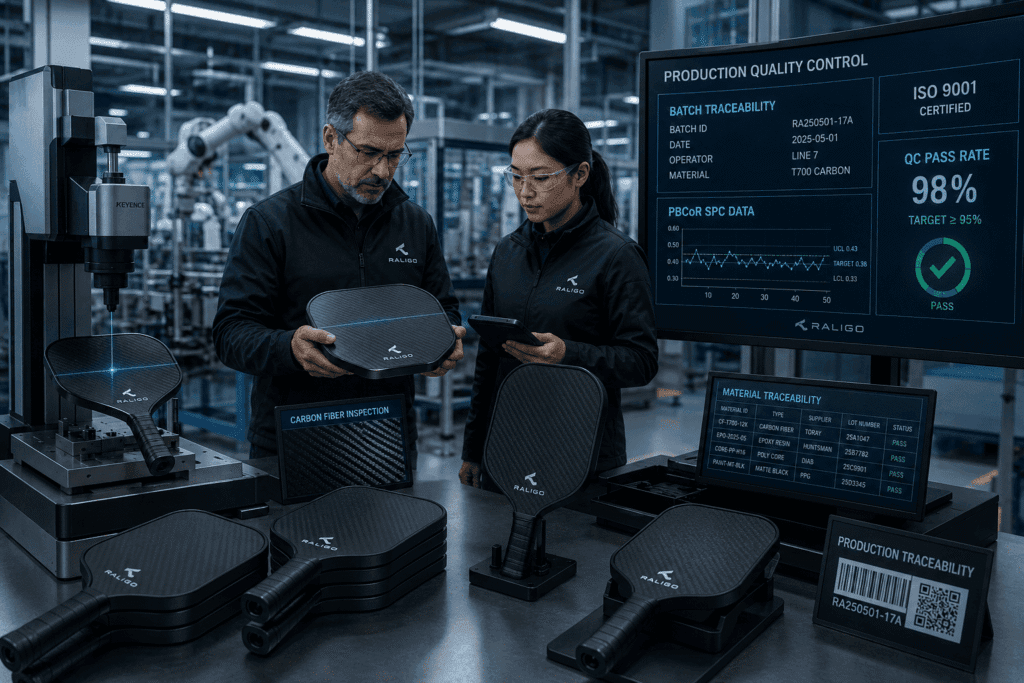
A practical supplier review separates competition approval, product engineering, manufacturing consistency, commercial terms and import compliance. Buyers should request evidence for the specific paddle configuration they intend to purchase.
4.1 Documents to Request
- Model identification: brand, exact model name, construction and the current USA Pickleball approved equipment database entry when approval is claimed.
- Technical specification: core and face materials, surface treatment, dimensions, artwork and process tolerances.
- Quality evidence: representative sample evaluations, available test results, incoming material records and batch traceability.
- Change control: how suppliers communicate material/process substitutions and when updated testing or approval may be needed.
- Commercial and trade documents: dated quotations, MOQ, lead-time assumptions, inspection duties, origin declarations and import paperwork.
4.2 Pre-Production Questions
Ask which production steps are performed in-house, how sample performance is measured, which laboratories are used, how nonconforming batches are handled and how shipments are matched to approved specifications. Where the supplier presents ISO 9001 or social-compliance certificates, verify their validity and relevance; these are not universal prerequisites for USA Pickleball equipment approval.
4.3 Warning Signs That Merit Follow-Up
- An approval claim that does not identify the exact brand and model.
- A test summary not linked to the actual configuration being quoted.
- Unexplained changes in core, face or finishing materials.
- Missing inspection and traceability processes for repeat orders.
- Unclear quotations, payment terms, sampling schedules or responsibility for import compliance.
4.4 Pricing and Lead Times Are Project-Specific
Unit costs, sample fees, tooling costs, minimum order quantities, production lead times and certification timelines vary by specification, order size, supplier and approval program. Request an itemized quote and confirm official application fees and service times with the responsible organization. No single price or lead-time threshold establishes quality or certification eligibility.
5. FAQ: USA Pickleball Approval for OEM and Private-Label Buyers
Q1: How long does approval take for a new paddle model?
Application reviews, laboratory schedules and resubmissions vary. Ask USA Pickleball for current submission requirements, official fees, sample quantities and estimated timing; build extra time into your production plan. Do not rely on a guaranteed four-to-six-week timeline.
Q2: Can an OEM factory’s approval be used for my own private-label model?
Verify the exact brand and model listing. An existing factory model’s approval does not automatically establish that a different private-label model is approved. Ask USA Pickleball what identification, documentation and testing apply to the intended branding and construction before marketing it as approved.
Q3: Are USA Pickleball and UPA-A approvals interchangeable?
No. USA Pickleball and UPA-A operate separate equipment approval programs serving different competitions. Check the applicable event rules and current approved-model records for each body rather than assuming one approval meets every event’s requirements.
Q4: Does a core or surface material change require a new review?
Material and construction changes can affect model identity and testing outcomes. Disclose proposed changes and confirm with the approving organization whether reevaluation or a new submission is necessary. Do not presume that approval automatically transfers to a revised specification.
Q5: What if my supplier changes the resin system without notice?
Treat an undisclosed substitution as a quality and compliance concern. Record the affected lots, assess their conformity to the agreed specification and request guidance from USA Pickleball before claiming the changed model remains approved. The consequences depend on the change and the applicable rules.
Q6: Can a paddle be sold without USA Pickleball approval?
USA Pickleball approval is relevant when an event requires equipment that meets its standards. General commercial sale and U.S. import requirements are separate matters. Buyers should verify their intended sales-channel rules and applicable laws; approval is not a general import permit.
Q7: What changed for new submissions on October 1, 2026?
Newly submitted paddles must measure no more than 2,100 RPM in USA Pickleball’s Spin Rate Test. Previously applied surface-roughness and coefficient-of-friction upper thresholds became measurements of record for new submissions. Earlier approved models remain governed by the rules applicable when they were certified. Always consult the official program for current details.
6. Next Steps for Your OEM Paddle Project
A sound purchasing process begins with a defined paddle specification and a clear view of the competition, retail and import requirements that apply to your intended market. Verify the exact brand and model in the USA Pickleball equipment database when tournament approval is part of your brief.
- Define materials, construction, target performance and intended sales channels.
- Confirm the model’s current approval status and which standards apply to a new submission.
- Request representative samples, a documented QC plan, traceability and manufacturing change-control procedures.
- Agree on commercial terms, the approval process and responsibilities before production.
Planning an OEM or private-label paddle program? Explore RALIGO OEM/ODM manufacturing or contact RALIGO to discuss product requirements, samples, production planning and supplier documentation. Certification status should always be checked independently with the relevant approval authority.