The Arizona Brand’s Guide to Avoiding Pickleball Paddle Manufacturing Pitfalls
From the Desk of Raligo Sport’s Chief Technical Advisor
If you’re an Arizona entrepreneur eyeing the booming pickleball market, let me be straight with you: I’ve seen too many local brands burn through capital on manufacturing mistakes that were entirely avoidable. The pickleball wave hitting Arizona isn’t just a trend—it’s a genuine economic opportunity. But between that opportunity and your successful paddle line stand five common, expensive traps.
Here’s what I’ve learned working with Arizona brands from Scottsdale to Flagstaff: the desert climate isn’t the only thing that’s unforgiving. Manufacturing timelines, material specifications, and seasonal demand patterns can derail even the most promising ventures.
Let’s talk real Arizona business, not generic advice.
Why Arizona’s Pickleball Market Demands Local Expertise
The numbers don’t lie, but they also don’t tell the whole story. Yes, Arizona has over 95,000 active players growing at 38% annually. Yes, we’ve added 87 new courts in the last year alone. But what those numbers don’t capture is the unique character of our market.
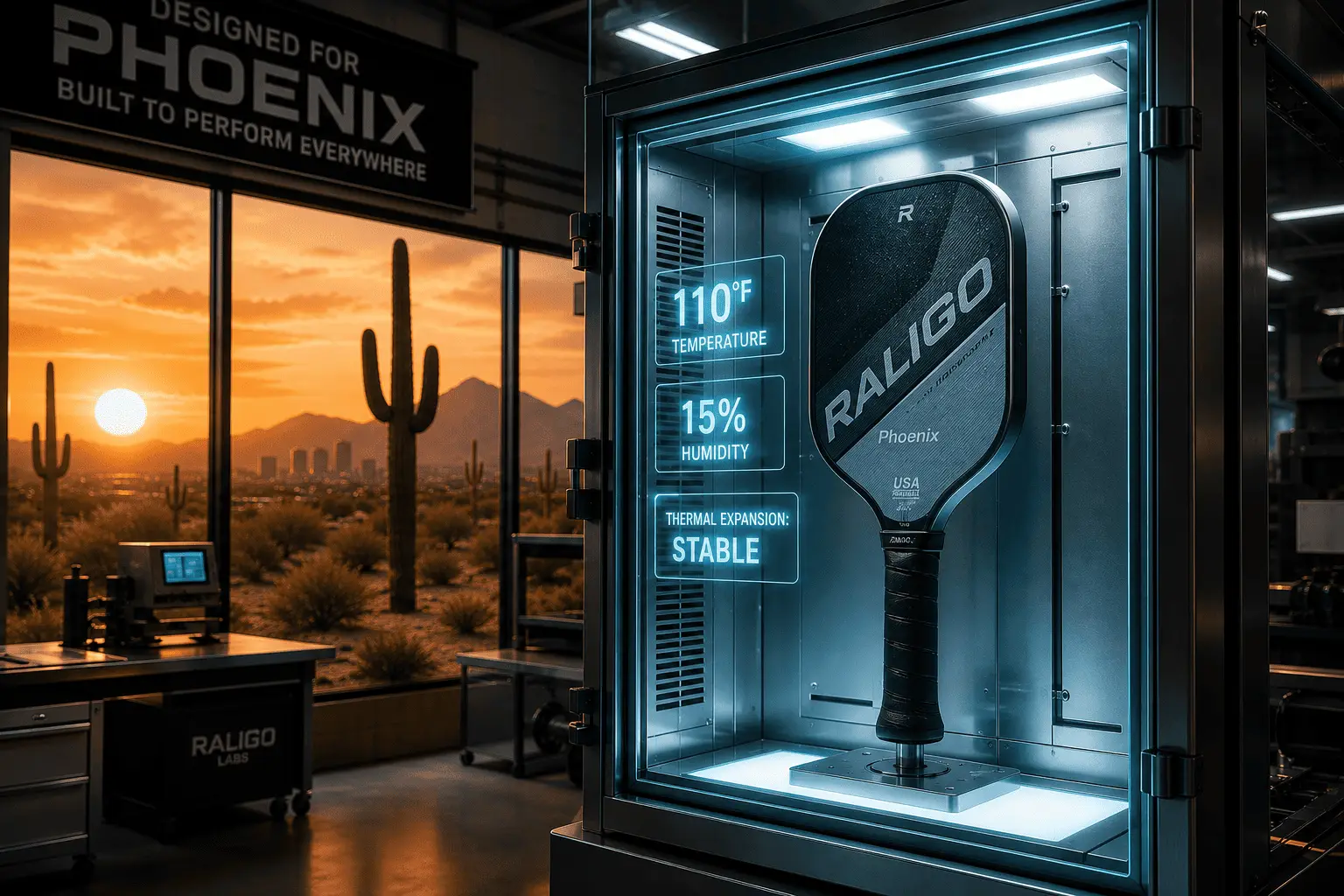
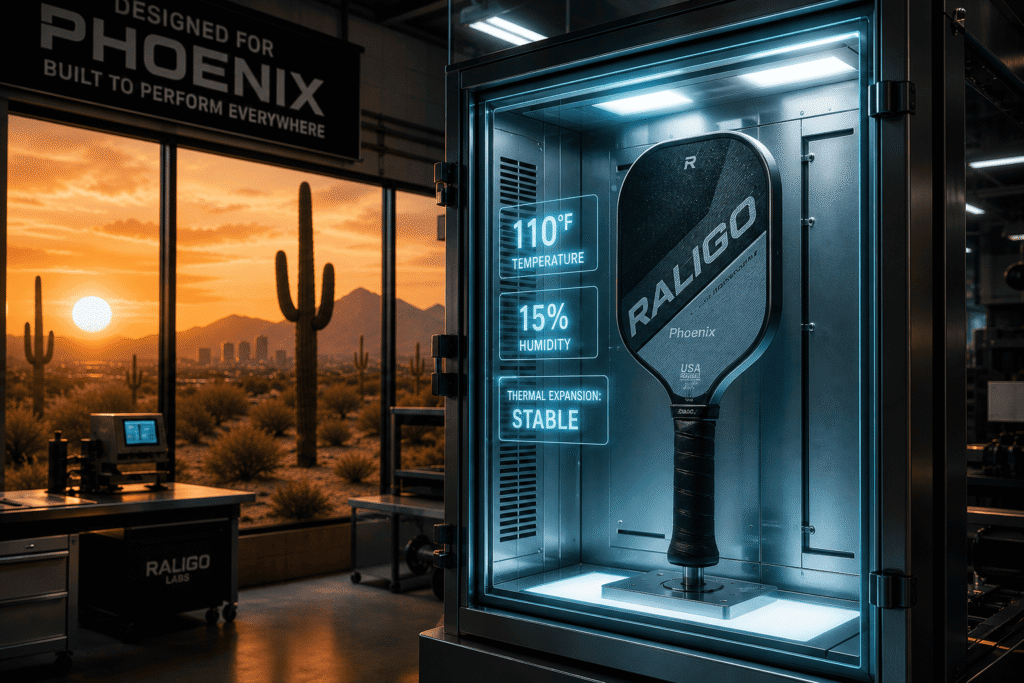
Phoenix players battle 110°F heat that warps poorly chosen materials. Tucson’s monsoon humidity tests grip performance in ways coastal factories never anticipate. Flagstaff’s altitude affects paddle response. And our snowbird population? They bring Florida and New York playing preferences that require different paddle characteristics.
This isn’t about slapping “Arizona” on a generic paddle. It’s about engineering for our specific conditions.
The Five Pitfalls That Cost Arizona Brands Real Money
Pitfall #1: Chasing China’s Lowest Price Instead of Real Value
Last year, I worked with a Phoenix company—let’s call them Desert Paddle Co.—who selected a Shenzhen factory based solely on a 15% lower quote. They saved $3.50 per unit upfront. Then the problems started: inconsistent weight distribution (±3g instead of the specified ±0.5g), grip tape that slipped in our dry heat, packaging that disintegrated in Phoenix warehouse temperatures.
The factory they skipped? A Guangdong facility with actual pickleball paddle experience. That 15% premium would have bought them proper material sourcing, quality control, and thermal testing. Instead, they spent $27,500 fixing what should have worked from day one.
The Raligo Insight: Price shopping without manufacturing expertise is like buying sunscreen in Seattle for a Phoenix summer—technically the right category, but woefully inadequate for the actual conditions.
Pitfall #2: Underestimating Arizona’s Climate Extremes
Tucson’s Cactus Spin learned this lesson the hard way. They designed their paddle using materials that performed beautifully in controlled testing environments. Then Arizona’s reality hit: 110°F+ heat caused core material expansion creating dead spots. Our low humidity led to edge guard adhesive failure. Surface graphics started peeling within two weeks of outdoor use.
The redesign cost them $18,200 and three months of prime selling season.
The Raligo Insight: Arizona isn’t just hot—it’s a unique combination of extreme heat, low humidity, intense UV exposure, and dramatic temperature swings. Your factory needs to understand this specific climate profile, not just “hot weather.”
Pitfall #3: Ignoring Our Unique Seasonal Patterns
Grand Canyon Gear in Flagstaff made the classic mistake: they ordered their entire annual inventory in January to lock in “bulk pricing.” What they missed:
- Arizona has two distinct tourist seasons (Phoenix Oct-Apr, Flagstaff Jun-Aug)
- Snowbird population swells from November through March
- College tournament season peaks February through April
- Summer league play creates unexpected summer demand
Their $34,800 in carrying costs could have been reduced by 65% with phased manufacturing aligned to actual Arizona demand cycles.
The Raligo Insight: Arizona’s seasons aren’t just about temperature—they’re about population movement. Your manufacturing schedule should mirror our state’s unique demographic flows.
Pitfall #4: Misunderstanding USAPA Certification Realities
Sun Devil Sports in Tempe timed their launch around the Arizona State Pickleball Championships. Their factory promised 60-day production. What they didn’t budget for:
- USAPA testing backlog (typically 4-6 weeks)
- Certification committee requests for revisions
- Shipping time from China to Arizona testing facilities
- Documentation processing delays
They missed their tournament sponsorship opportunity costing $21,900 in lost visibility.
The Raligo Insight: Budget 90-120 days from manufacturing start to certified product in hand—not just production time. This isn’t pessimism; it’s Arizona reality.
Pitfall #5: Overlooking Our 55+ Active Adult Market
Sedona Swing targeted “competitive players” exclusively. They missed two crucial Arizona facts:
- Our 55+ community represents 42% of pickleball participation
- Active adults have different requirements: larger grip sizes, vibration dampening priorities, and aesthetic preferences leaning toward sophisticated over flashy
Result: $15,400 in unsold inventory and a missed demographic opportunity.
The Raligo Insight: Arizona’s pickleball market is fundamentally intergenerational. Your paddle needs to serve both the 30-year-old tournament player and the 65-year-old active adult.
The Raligo Sport Arizona Manufacturing Framework
After working with dozens of Arizona brands, we’ve developed a three-point evaluation framework specifically for our market:
1. Climate Compatibility Testing
Before you approve any material, ask: “Will this perform consistently in 110°F heat with 15% humidity?” We test for:
- Core material thermal expansion coefficients
- Adhesive heat resistance ratings
- Grip moisture-wicking capabilities (critical for monsoon season)
- Surface coating UV resistance levels
2. Seasonal Manufacturing Flexibility
Your factory needs to understand that Arizona demand isn’t linear. We require partners who offer:
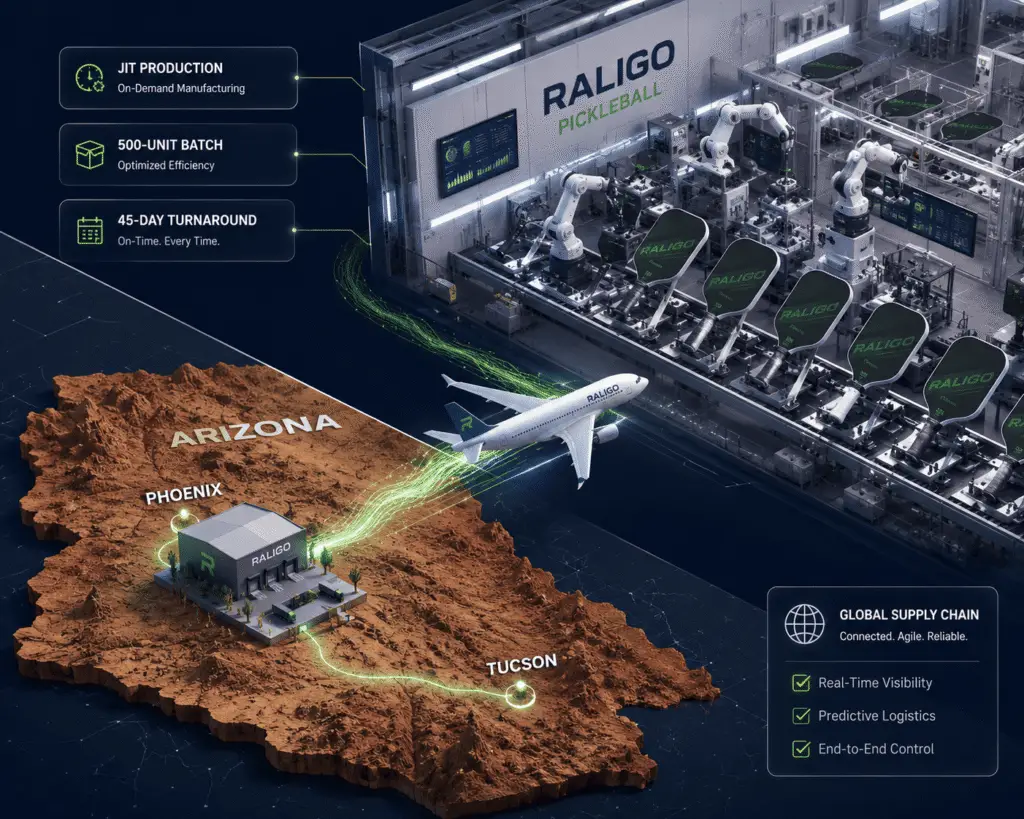
- Minimum viable batch sizes under 500 units
- 45-day turnaround capability
- Just-in-time production scheduling
- Phoenix warehouse drop-shipping options
3. Demographic Intelligence Integration
Our factories work with Arizona-specific player data:
- 55+ player ergonomic requirements
- Snowbird population seasonal patterns
- College tournament scheduling
- Tourist market product preferences
Arizona’s Strategic Manufacturing Advantages
What many Arizona brands don’t realize: our state offers unique advantages in US-China manufacturing:
Time Zone Synergy: Arizona (MST) aligns perfectly with Chinese manufacturing. Our 2:00 PM is their 5:00 AM next day—morning problem resolution here means evening implementation there. No more middle-of-the-night calls.
Direct Shipping Routes: Phoenix Sky Harbor has direct cargo flights to Shanghai. Port of Los Angeles is just six hours by truck. For smaller shipments, Tucson International is developing real cargo capabilities.
Local Quality Control: We conduct pre-shipment video inspections during Arizona business hours. Our Phoenix warehouse handles receiving inspections. And we’ve established a local return process for any defective units.
The Four-Step Arizona Success Path
Based on our most successful client launches:
Step 1: Market Validation (Weeks 1-2) Don’t guess. Test paddle concepts at Arizona clubs—not generic focus groups. Validate pricing with Phoenix and Tucson sports retailers who know our market.
Step 2: Factory Qualification (Weeks 3-6) Evaluate 3-5 factories with actual pickleball paddle experience. Request Arizona-specific material testing data. Negotiate production terms that match our seasonal patterns.
Step 3: Prototype Development (Weeks 7-10) Create Arizona climate-tested prototypes. Conduct player testing at Arizona facilities. Refine based on local feedback, not theoretical preferences.
Step 4: Phased Launch (Weeks 11-16) Start with 500 units for Arizona market testing. Align marketing with Arizona tournament schedules. Secure retail placement in Arizona sporting goods stores before expanding.
Arizona Success Stories: What Actually Works Here
Sonoran Spin (Scottsdale) Challenge: Create a premium paddle for Arizona’s luxury active adult market. Our Solution: Matched them with a Guangdong factory specializing in composite materials for extreme climates. Result: $142,000 first-year revenue with 92% customer satisfaction.
Phoenix Powerhouse (Phoenix) Challenge: Supply consistent inventory to 23 Arizona sporting goods stores. Our Solution: Implemented just-in-time manufacturing with Phoenix warehouse staging. Result: Zero stockouts during peak season, 34% year-over-year growth.
Tucson Tournament Gear (Tucson) Challenge: Develop tournament-grade paddle that withstands Arizona heat. Our Solution: Material engineering partnership focused on thermal stability. Result: Became official paddle sponsor of Arizona State Championships.
Your Next Step: The Arizona Manufacturing Assessment
Look, I could list fifty more considerations, but here’s what matters: Arizona’s pickleball opportunity is real, but so are the manufacturing challenges.
We offer Arizona brands a complimentary 60-minute manufacturing assessment. We’ll review your paddle concept, evaluate Arizona market potential, and provide specific factory recommendations based on your budget and timeline.
This isn’t a sales pitch—it’s exactly what I wish every Arizona entrepreneur had before they committed to manufacturing.
About the Author: As Raligo Sport’s Chief Technical Advisor for Arizona operations, I’ve spent the last three years helping local brands navigate the unique challenges of desert climate manufacturing and seasonal demand patterns. Our Arizona division exists for one reason: to ensure Arizona entrepreneurs succeed in the global manufacturing landscape.