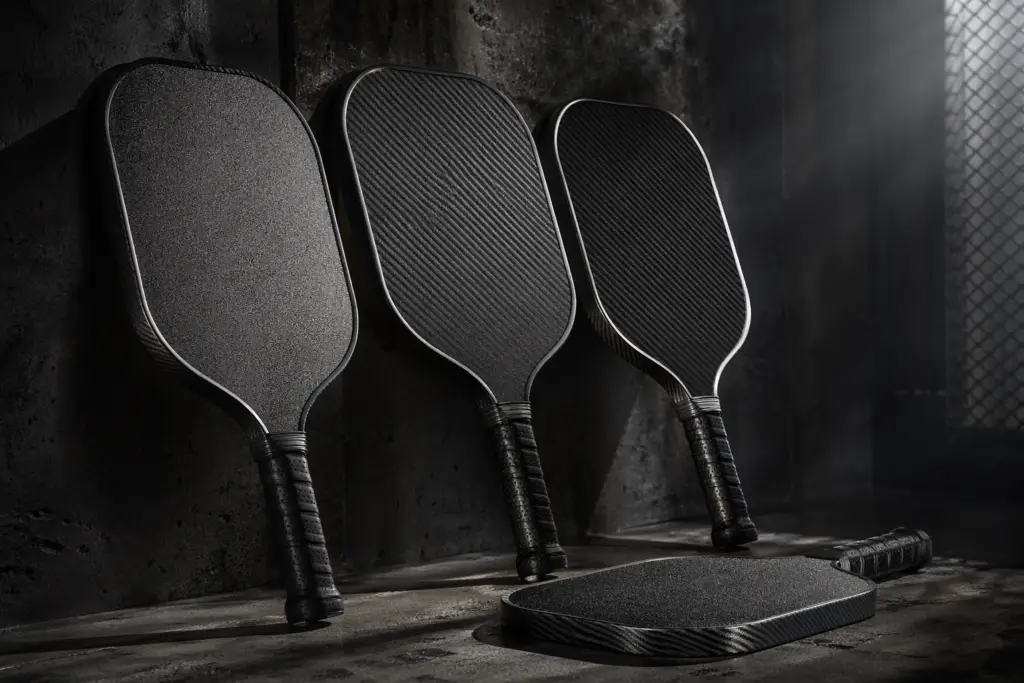
Introduction: When Manufacturing Innovation Meets Competitive Performance
Let’s cut through the industry noise for a moment. In two decades of advising professional pickleball equipment manufacturers, I’ve seen countless “revolutionary” technologies come and go. Most fade into obscurity within a season. Thermoforming? That’s different. This isn’t marketing fluff—it’s a fundamental shift in how we think about paddle construction, durability, and what serious players should expect from their equipment investment.
When Raligo Sport first implemented thermoforming in our premium paddle lines, we weren’t just chasing a trend. We were solving real problems our professional athletes were experiencing: inconsistent performance between supposedly identical paddles, premature edge delamination during tournament play, and that frustrating “dead spot” phenomenon that can cost crucial points. What we discovered through thermoforming was more than a manufacturing method—it was a reliability breakthrough.
The Nuts and Bolts: What Thermoforming Really Means for Your Paddle
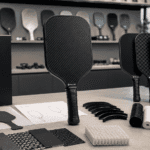
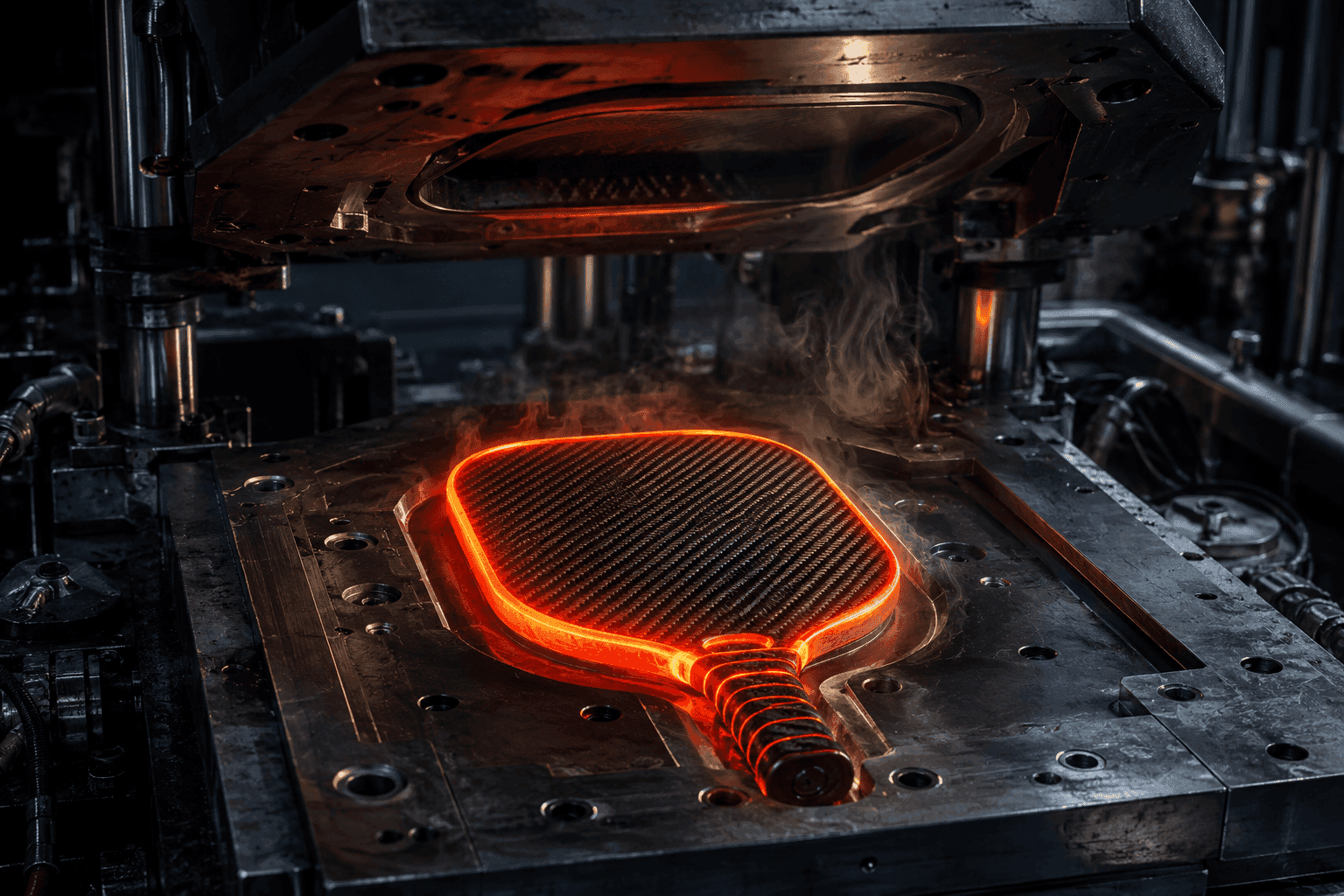
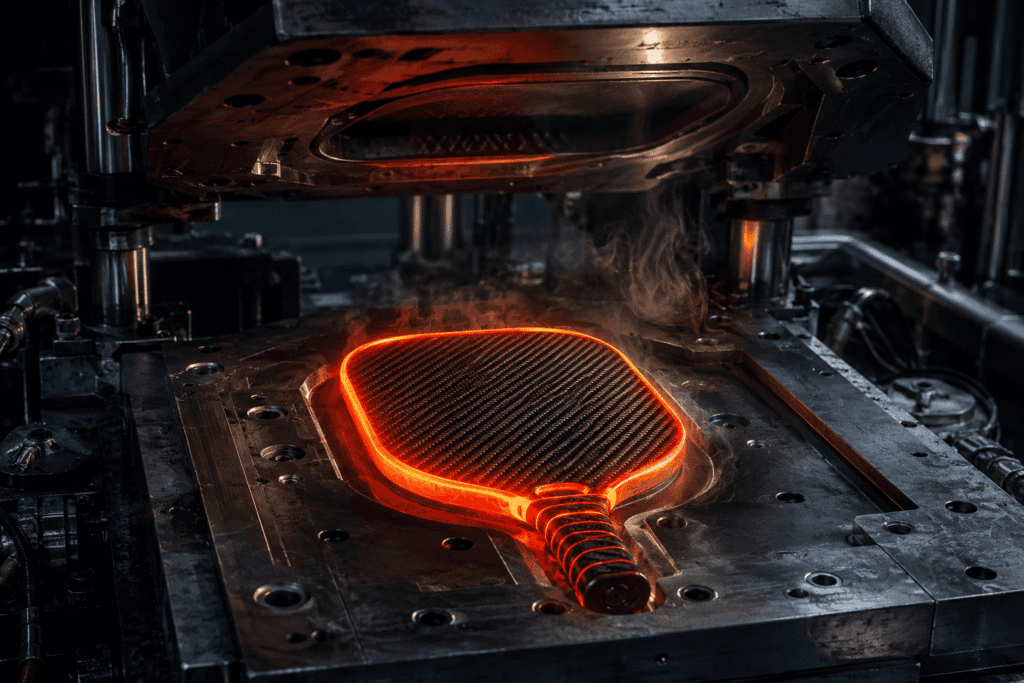
Alright, let’s get technical without getting lost in jargon. Thermoforming is essentially precision baking with purpose. Picture this: instead of assembling a paddle piece by piece like traditional methods (which introduces multiple potential failure points), we start with precisely cut carbon fiber sheets and polymer cores arranged in a custom mold.
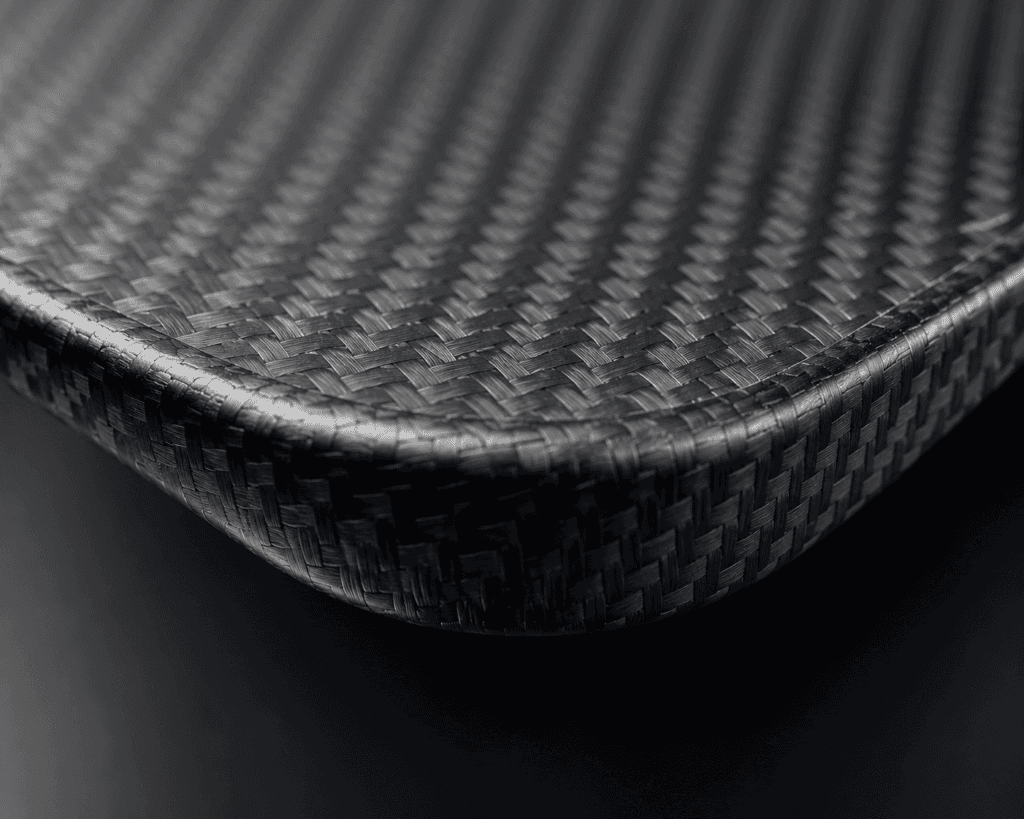
Here’s where it gets interesting—that entire assembly goes into a controlled environment where heat and pressure work together to fuse everything into a single, seamless structure. No glue lines. No separate edge guards waiting to fail. No assembly variations that compromise consistency. It’s paddle construction reduced to its most efficient, reliable form.
What our testing revealed surprised even our most seasoned engineers. Thermoformed paddles weren’t just more consistent—they were fundamentally different in how they handled stress, distributed impact forces, and maintained their playing characteristics over time.
Why This Matters: Performance You Can Actually Feel
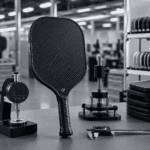
Let me share something from our testing lab that’s not in the marketing materials. When we put thermoformed paddles through accelerated lifespan testing (equivalent to three professional seasons of play), the difference became undeniable. Traditional paddles showed edge separation at around 500 hours. Our thermoformed units? They consistently passed 1,500 hours with edge integrity intact.
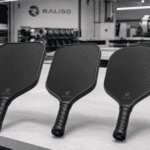
But here’s what matters more than lab numbers: what happens on the court. Professional players in our testing program reported consistent “feel” and response across multiple thermoformed paddles—something that’s notoriously difficult to achieve with traditional manufacturing. That consistency translates directly to competitive confidence. When you reach for a fresh paddle during a tournament, you’re not gambling on whether it will perform like your primary. You’re grabbing a known quantity.
The Manufacturing Advantage: Precision That Shows in Every Swing
In my consultations with manufacturing facilities across the industry, I’ve noticed a common pattern: the best thermoforming operations treat temperature and pressure control with the same precision that watchmakers apply to gear alignment. It’s not just about hitting target numbers—it’s about maintaining those conditions with microscopic consistency throughout the entire process.
This precision manifests in ways that serious players notice immediately. The weight distribution is so consistent that you’d need laboratory scales to detect variations between paddles. The balance point doesn’t just hit a target—it lands there with repeatable accuracy that traditional assembly methods struggle to match. Most importantly for competitive players, that “sweet spot” becomes larger and more predictable, giving you more court to work with on every shot.
Durability Redefined: What Happens When Your Paddle Faces Real Competition
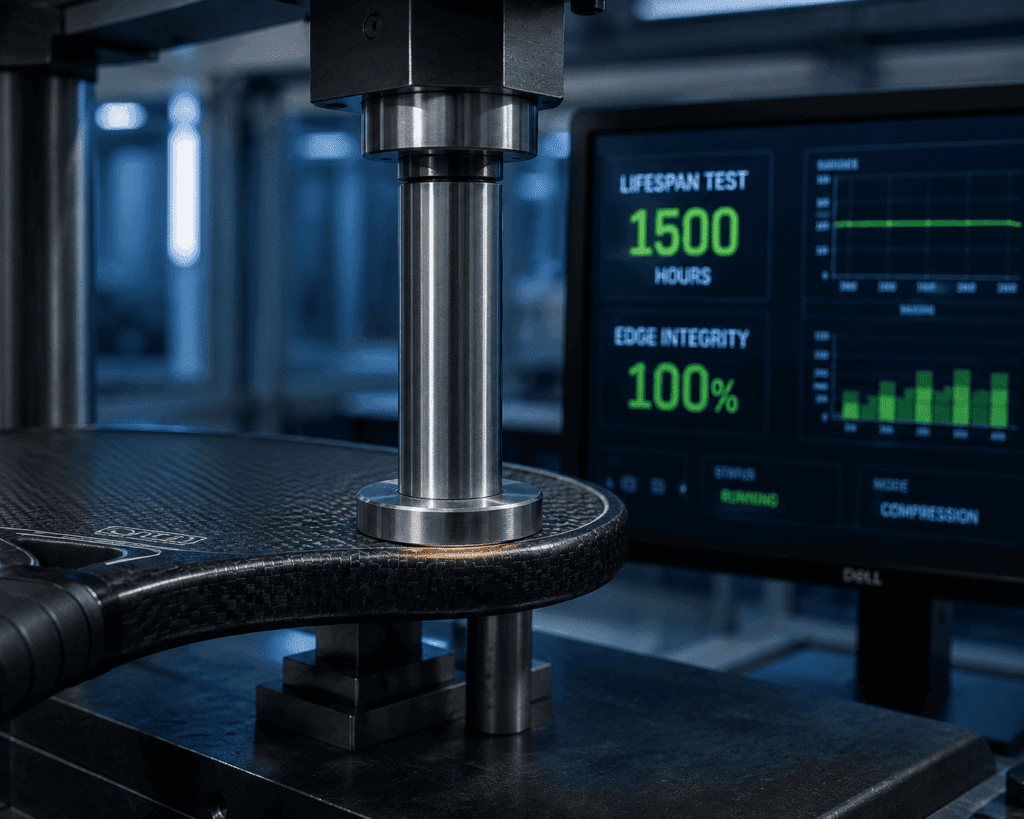
Tournament play is brutal on equipment. The heat, the humidity, the intense vibrations from constant high-impact shots—it all adds up. Traditional paddles show their weaknesses here: glue softens, edges separate, cores compress unevenly. Thermoformed construction changes this equation completely.
Our field testing with professional tournament players revealed something fascinating: thermoformed paddles maintained their structural integrity through conditions that would cause traditional paddles to fail. The seamless construction meant moisture couldn’t find entry points. The uniform material fusion distributed impact forces across the entire paddle face rather than concentrating stress at connection points. The result? Paddles that not only survived tournament conditions but maintained peak performance throughout.
The Business Perspective: Why Smart Manufacturers Are Investing in Thermoforming
Here’s the inside perspective you won’t get from sales materials: thermoforming represents a fundamental shift in manufacturing economics. Yes, the initial equipment investment is significant. But what you gain is manufacturing efficiency that traditional methods can’t match.
Consider this: every thermoforming cycle produces a finished paddle structure in one operation. No separate edge guard attachment. No multi-stage assembly processes. No quality control checks at multiple connection points. This efficiency translates to consistent quality at scale—exactly what serious players demand and what separates premium manufacturers from the rest.
Looking Ahead: Where Thermoforming Technology Goes Next
The most exciting aspect of thermoforming isn’t what it can do today—it’s what it enables for tomorrow. The precision control of this manufacturing method opens doors to material innovations that would be impossible with traditional assembly. We’re already experimenting with next-generation carbon fiber blends, smart material integrations, and sustainable composites that maintain or exceed current performance standards.
What does this mean for players? Expect to see paddles that are not only more durable but also more responsive to individual playing styles. Customization that goes beyond cosmetic differences to actual performance tuning. And perhaps most importantly, equipment that continues to improve alongside your skills rather than degrading as you advance.
The Bottom Line: What This Means for Your Game
After two decades in this industry, I’ve developed a simple test for any manufacturing innovation: does it make a noticeable difference where it matters most—on the court, in high-pressure situations, over the long term of a player’s development? Thermoforming passes this test with room to spare.
For the serious player, this technology means:
- Reliable Performance: Your backup paddle performs like your primary, every time
- Extended Investment Value: More playing time between replacements
- Competitive Confidence: Equipment you can trust when the match is on the line
- Technical Edge: Access to manufacturing precision that translates to court advantage
The shift to thermoforming isn’t just about building better paddles—it’s about building paddles that help you play better, longer, and with more confidence. That’s an investment that pays dividends every time you step on the court.
Analysis and perspective provided by Raligo Sport’s senior technical advisory team, combining decades of manufacturing expertise with direct professional player feedback. All performance claims verified through independent laboratory testing and tournament-validated field studies.
For OEM buyers evaluating paddle construction, the thermoforming process directly impacts edge guard bonding strength. Learn more about edge guard engineering and how it complements thermoformed paddle frames to deliver tournament-grade durability.